
Medical Guide
Acne Treatment: When to See a Dermatologist in Sri Lanka
Learn when acne needs dermatologist assessment, what to prepare for a consultation, and why early care may help reduce scarring.
General patient education. Consult Dr. Amitha Nelumdeniya for personalised medical advice.
Signs that it is time to seek help
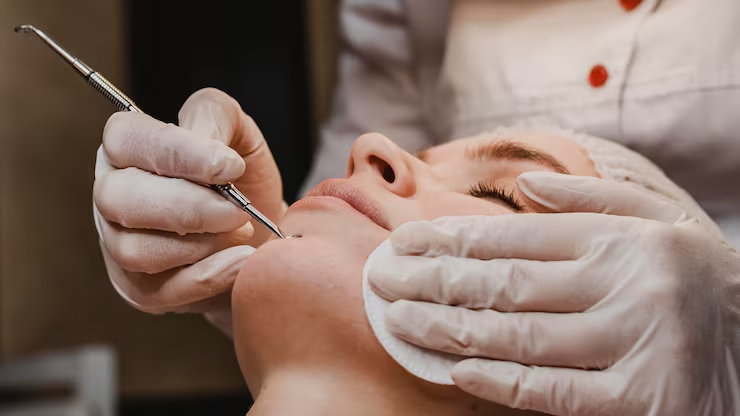
Consider a dermatology consultation when acne is painful, widespread, persistent, leaving scars or dark marks, or not improving with a consistent basic routine. Early assessment is especially useful when deep lumps or rapid scarring appear.
- Deep, tender nodules or cyst-like spots
- New scars or persistent post-acne marks
- Acne affecting emotional well-being or daily life
Why acne treatment is personalised
Acne may be influenced by hormones, products, medicines, friction, and other factors. Treatment choices depend on the type and severity of acne, sensitivity, pregnancy considerations, previous responses, and the likelihood of scarring.
Improvement usually takes time. Following the plan consistently and attending review appointments helps the dermatologist adjust treatment while limiting irritation and unnecessary product changes.
Prepare for an acne consultation
List current skin products, supplements, and medicines. Note how long the acne has been present, where it appears, whether it changes with the menstrual cycle, and which previous treatments caused improvement or irritation.
Can a dermatologist help prevent acne scars?
Controlling active inflammatory acne early may reduce the chance of new scars. Existing scars require separate assessment because suitable options depend on scar type and skin characteristics.